




 By
By By Elizabeth Ugbo
Nigeria’s opposition parties on April 25, 2026, in Ibadan, Oyo State, resolved to adopt one presidential candidate for the 2027 elections during a national summit aimed at strengthening democracy and challenging the ruling APC.
Historic Ibadan Summit Signals Political Shift
At the high-stakes gathering in Ibadan, opposition leaders described the meeting as historic. They praised Seyi Makinde for hosting the summit.
Delegates said the convergence marked a turning point ahead of the 2027 elections. They emphasized unity as the only viable path to electoral success.
Coalition Targets Single Presidential Candidate
The coalition agreed to field one candidate against the ruling party. According to the communiqué, this decision is both strategic and necessary.
PDP National Chairman, Taminu Turaki, presented the resolution. He stated that unity is critical to “rescue Nigeria” from current challenges.
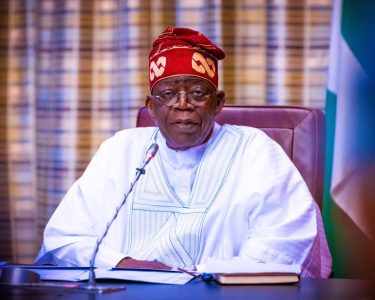
The bloc also accused the APC of positioning Bola Ahmed Tinubu as a sole candidate. Consequently, they vowed to counter this with a united front.
Criticism of INEC and Electoral Guidelines
The coalition strongly criticised the Independent National Electoral Commission (INEC).
They described recent guidelines as barriers targeting opposition parties. Therefore, they demanded an extension of the party primaries deadline to July 2026.
Additionally, the group passed a vote of no confidence in INEC leadership. They argued that perceived partisanship could damage electoral credibility.
Call for Electoral Reforms and Political Freedom
The Ibadan Declaration urged the National Assembly to amend the Electoral Act 2026. Leaders warned that current provisions threaten election integrity.
They also demanded the release of political figures allegedly detained over bailable offences. According to them, such actions violate democratic norms and human rights.
Opposition Reaffirms Commitment to Democracy
Despite rising tensions, opposition leaders praised Nigerians for their resilience. They pledged to defend a vibrant multiparty system.
Moreover, they promised to resist any attempt to suppress political competition. The coalition warned against any move toward a one-party state.
Participating Political Parties
The summit included major and smaller parties such as:
PDP, ADC, PRP, NNPP, NDC, LP, APP, Accord Party, APM, AA, DLP, YPP, ADP, and ZLP.
Conclusion: Ibadan Declaration Sets 2027 Tone
The Ibadan Declaration has reshaped Nigeria’s opposition strategy. It signals a unified push to challenge the ruling party in 2027.
If sustained, this alliance could redefine the country’s political landscape.