



 By
By By Elizabeth Ugbo
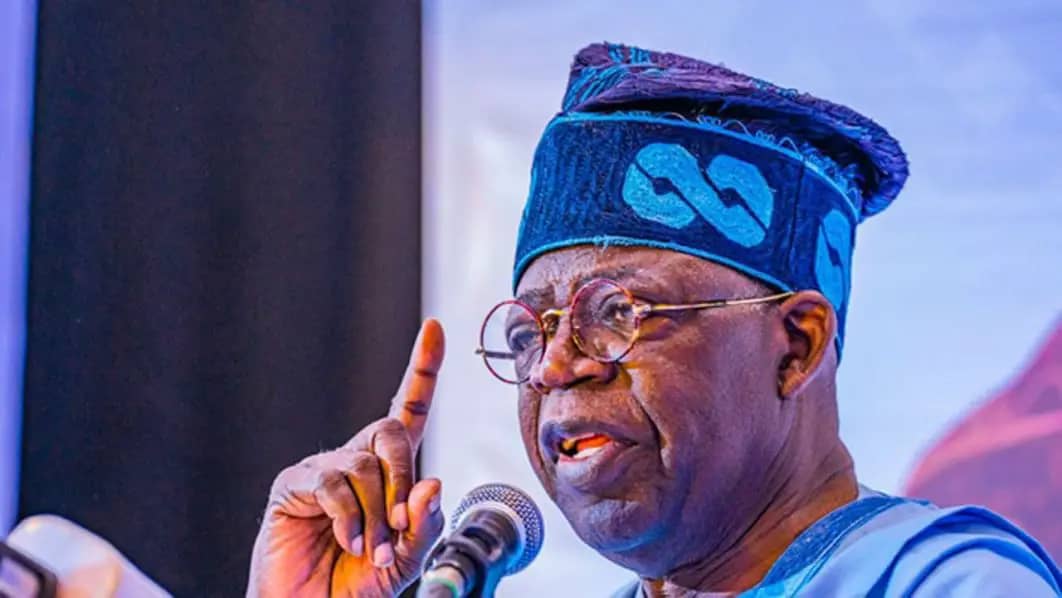
President Bola Ahmed Tinubu’s administration has intensified infrastructure development, economic reforms and education support across Nigeria within three years in office. The government launched major highway and rail projects, expanded student loans, reformed the oil sector and increased state allocations. Critics continue to question the administration’s policies, especially rising living costs and insecurity. However, supporters argue that Tinubu’s reforms have repositioned Nigeria for long-term growth. The projects affect millions of Nigerians nationwide, from Ogun State to Kano, while implementation continues through 2026 and beyond.
Massive Road Projects Transform Transportation
The Tinubu administration has embarked on some of Nigeria’s largest road projects since independence. Among them are the Sokoto-Badagry Superhighway and the Lagos-Calabar Coastal Highway.
The Sokoto-Badagry project dates back to the Shehu Shagari era in the early 1980s. Previous administrations abandoned the project because of funding concerns. However, President Tinubu revived it as part of his infrastructure agenda.
Similarly, the Lagos-Calabar Coastal Highway has remained a dream project for decades. Tinubu’s government has now moved the project into active construction.
In Ogun State, the Sagamu-Ijebu-Ode highway now features thick concrete pavement designed to withstand heavy trailer traffic. Several governors have also upgraded road networks in states such as Kaduna, Ebonyi, Enugu and Kano.
Supporters of the administration argue that loans remain necessary to fund large infrastructure projects. They insist federal allocations alone cannot finance such ambitious developments quickly.
Rail Transport Expansion Gains Momentum
Beyond roads, the federal government continues to invest heavily in rail transportation. The Kaduna-Kano-Gusau-Maradi rail line is expected to reach completion next year.
Additionally, city rail systems have received approval in Lagos, Kaduna, Kano and Enugu. The government also plans the Lekki-Ibadan rail project to improve regional connectivity.
Officials believe modern rail infrastructure will ease transportation challenges and support economic activities nationwide.
Oil Sector Reforms Attract Fresh Investments
The Tinubu administration introduced major reforms in Nigeria’s oil and gas sector. One of the most significant decisions was the removal of petrol subsidies in 2023.
The government also floated the naira and unified exchange rates to eliminate arbitrage opportunities. These reforms initially caused hardship but later attracted renewed investor confidence.
International Oil Companies have reportedly resumed investments in Nigeria after years of hesitation. Meanwhile, local refining efforts and the naira-for-crude initiative now support energy security.
Furthermore, the government directed the Nigerian National Petroleum Company to remit oil sales proceeds directly into the Federation Account.
Power Sector Reforms Target Improved Electricity
Opposition figures recently revisited President Tinubu’s campaign promise on electricity supply. However, supporters argue critics distorted the President’s comments.
According to the administration, electricity distribution companies remain responsible for supplying power to consumers. Still, the federal government has introduced several measures to improve the sector.
The government partnered with Siemens to strengthen the national grid. It also activated idle generation companies and plans to clear over N4 trillion debts owed to GENCOs and GASCOs.
In addition, authorities distributed more than 2.5 million electricity meters nationwide. Recently, the government established the Grid Asset Management Company to optimise power infrastructure.
NELFUND and CREDICORP Support Nigerians
Education financing has become one of the administration’s flagship programmes. Through NELFUND, students now receive support for tuition fees and stipends.
The government says about 1.6 million students have benefited so far. Over N282 billion has reportedly been committed to the programme.
At the same time, CREDICORP provides loans to civil servants for purchasing Made-in-Nigeria products.
Supporters also highlight the absence of prolonged ASUU strikes in the past three years. Universities, polytechnics and colleges now complete academic calendars without major disruptions.
Technical schools also receive increased support. Students pursuing vocational education now enjoy allowances, while TETFUND funds research grants in universities.
Security Challenges Persist Across Nigeria
Despite economic and infrastructure gains, insecurity remains a major challenge. Terrorists and bandits continue attacks in vulnerable communities across several states.
Nevertheless, the federal government continues funding military operations and intelligence activities. Authorities say security agencies now receive better equipment and international support.
Countries such as the United States, France and the United Kingdom continue assisting Nigeria’s security efforts.
Economic Indicators Reflect Growth
Supporters of the Tinubu administration often point to stock market performance as evidence of economic recovery.
In May 2023, Nigeria’s All-Share Index stood around 53,000 points. Today, it has reportedly surpassed 250,000 points. Market capitalisation has also risen significantly.
Several blue-chip companies now declare higher profits and dividends. Foreign portfolio investors have also increased participation in Nigeria’s financial markets.
Analysts believe the reforms have created a long-term shift in economic direction.
States Benefit from Increased Allocations
Many governors now credit federal reforms for improved state finances. Increased allocations reportedly enabled states to fund infrastructure and social programmes more effectively.
Governors from Ogun, Ebonyi, Enugu, Nasarawa and Kwara have publicly praised the policy changes.
Ebonyi State Governor Francis Nwifuru recently linked ongoing underpass and flyover projects in Abakaliki to improved federal allocations. Enugu State Governor Peter Mbah also acknowledged similar benefits.
Meanwhile, Nasarawa State Governor Abdullahi Sule said President Tinubu “has taken the bullets” for difficult economic reforms.
Tinubu’s Reform Agenda Faces Mixed Reactions
When Tinubu assumed office in May 2023, Nigeria faced fuel scarcity, multiple exchange rates, rising debt servicing costs and weak state revenues.
The administration immediately removed fuel subsidies and floated the naira. Although the policies triggered inflation and increased living costs, the government insisted reforms were necessary.
Opposition politicians continue criticising the policies. However, supporters argue the reforms prevented fiscal collapse and repositioned Nigeria for future growth.
As political activities ahead of 2027 intensify, both critics and supporters continue debating the long-term impact of the administration’s policies.
Conclusion
Three years into office, the Tinubu administration has pursued aggressive reforms across infrastructure, education, energy and public finance.
While insecurity and inflation remain serious concerns, supporters argue the government has laid foundations for long-term economic growth. Critics, however, maintain that many Nigerians still struggle with rising living costs.
Nevertheless, the administration’s projects and reforms continue reshaping discussions about Nigeria’s future development.