



 By
By By Elizabeth Ugbo
The African Democratic Congress (ADC) has demanded the resignation of INEC Chairman, Prof. Joash Amupitan. The party made this demand in Nigeria following allegations of bias linked to a 2023 tweet. ADC leaders claim the chairman supported President Bola Tinubu and attempted to erase evidence. The controversy also involves a court ruling on internal party disputes. This raises key questions about who is right, what happened, when it began, where it occurred, why it matters, and how it affects Nigeria’s 2027 elections.
ADC’s Allegations Against INEC Leadership
ADC insists that Prof. Amupitan must step down immediately. The party cites two major issues.
First, INEC chose caution after a court ordered all parties to maintain the status quo. ADC views this as interference.
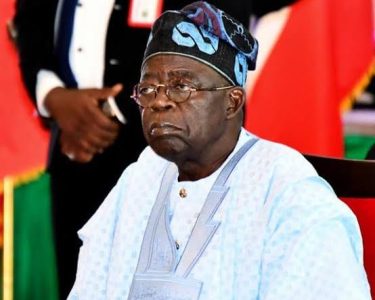
Second, the party accuses the chairman of posting a pro-Tinubu tweet in 2023. It also alleges a cover-up attempt.
However, ADC has not provided verified proof of the tweet. Despite this, it continues to question INEC’s neutrality.
Political Tensions and Claims of Bias
ADC leaders argue that the ruling APC uses INEC to weaken opposition parties. They warn of a possible one-party state ahead of 2027.
However, many observers see these claims as political pressure tactics. Critics say the party is attempting to discredit the electoral body early.
Internal Crisis Within ADC
ADC faces serious internal challenges. The party recently experienced a leadership takeover by new political actors.
Although the move appeared coordinated, it lacked proper legal grounding. Former presidential candidate Dumebi Kachikwu described the process as flawed.
He argued that the party leadership violated its constitution. For example, new leaders did not meet the required membership duration.
Legal Battles and Court Orders
Several court cases now shape the dispute.
A Federal High Court asked the new leadership to justify its actions. Meanwhile, an appellate court ordered all parties to return to the previous status.
Despite these rulings, the ADC faction continued its plans. This includes organizing a convention that may face legal challenges.
Electoral Act vs Constitutional Rights
Some legal experts cite Section 83 of the Electoral Act 2026. This section limits court involvement in party affairs.
However, others point to Section 6(6)(b) of the Constitution. This provision allows courts to protect civil rights and obligations.
Therefore, the legal debate remains unresolved.
Questions Over INEC’s Role
Critics question why ADC targets only the INEC chairman. INEC operates with multiple commissioners and officials.
No single individual decides election outcomes. Therefore, focusing on one person raises concerns about political motives.
Implications for 2027 Elections
This dispute may shape public trust in Nigeria’s electoral process.
Some analysts believe opposition actors are preparing grounds to challenge future results. Others argue that accountability remains necessary.
In either case, the controversy highlights deep political divisions ahead of 2027.
Conclusion
ADC’s demand for Amupitan’s resignation reflects broader political tensions.
However, the party must address its internal crisis first. At the same time, INEC must maintain transparency and neutrality.
Ultimately, Nigerians will judge both sides based on facts, not allegations.