



 By
By By Elizabeth Ugbo
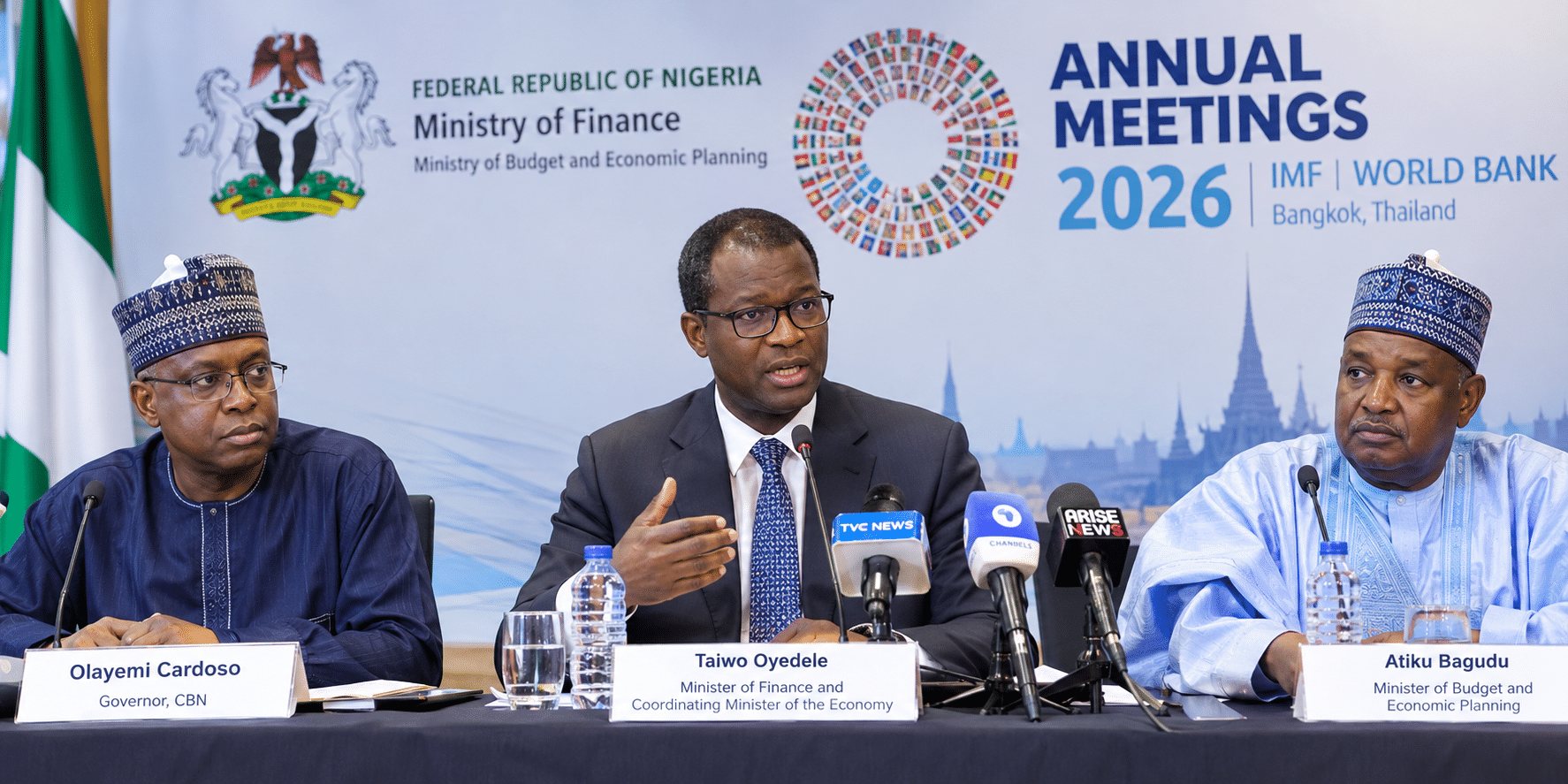
The Federal Government has warned that reintroducing fuel subsidy could trigger capital flight, weaken the naira and undermine economic reforms. The warning came from Nigerian officials in Bangkok, Thailand, in October 2026, following the IMF-World Bank Annual Meetings. Finance Minister Taiwo Oyedele, Central Bank of Nigeria (CBN) Governor Olayemi Cardoso and Budget Minister Atiku Bagudu discussed the risks during a media briefing.
FG Warns Against Returning to Fuel Subsidy
The Federal Government says a return to fuel subsidy could reverse gains from its ongoing economic reforms. According to the officials, such a move could weaken investor confidence and increase pressure on Nigeria’s foreign exchange market.
Finance Minister Taiwo Oyedele explained that investors want assurances that the government will maintain its existing economic policies. In particular, they seek commitments against reversing fuel subsidy removal and exchange rate unification.
He noted that Nigeria’s approaching election cycle could raise concerns about possible policy reversals. Consequently, any signal that the government plans to restore fuel subsidies could prompt investors to withdraw their capital.
Such withdrawals could increase demand for foreign exchange and put additional pressure on the naira. The government therefore considers policy consistency essential to sustaining investor confidence.
FG Clarifies Petrol Price Reduction
Oyedele had explained on October 8, 2026, that the government’s 30-day reduction in petrol prices did not represent a return to fuel subsidy.
The clarification followed discussions about the government’s decision to offer a discount on the retail price of Premium Motor Spirit (PMS), commonly called petrol.
The minister maintained that a temporary price reduction does not mean the government has reversed its subsidy removal policy. The distinction remains important as authorities seek to reassure investors about the direction of economic reforms.
Nigeria Reviews Economic Reform Progress at IMF-World Bank Meetings
The Nigerian delegation delivered its final briefing after five days of deliberations at the 2026 IMF-World Bank Annual Meetings in Bangkok, Thailand.
Oyedele and Cardoso joined other officials to discuss key outcomes from the international meetings. They also highlighted developments that could influence Nigeria’s economic policies.
The discussions focused on sustaining reforms, strengthening investor confidence and improving coordination between government institutions.
FG Targets Seven Per Cent Economic Growth
Meanwhile, Budget and Economic Planning Minister Atiku Bagudu emphasised the need for stronger cooperation between fiscal and monetary authorities.
He stressed that coordinated policies would help sustain the gains recorded under the government’s economic reform programme.
The Federal Government has also announced a target of achieving seven per cent economic growth. However, reaching that target will require sustained policy implementation and improved economic performance.
The government’s position highlights its commitment to maintaining reforms while addressing concerns about petrol prices and broader economic conditions.