



 By
By By Elizabeth Ugbo
Israeli air strikes have killed at least 11 people in southern Lebanon, including two children and two medics, Lebanese state media reported. The attacks occurred over the past 48 hours amid renewed violence between Israel and Lebanon. Rescue teams continued recovery operations overnight as residents faced growing fear and uncertainty.
Recovery Teams Search Through the Rubble
Civil defence workers remained at the affected sites throughout the night. However, the operation has now shifted from rescue to recovery.
Al Jazeera correspondent Zeina Khodr reported from Kfar Reman that recovery workers were still searching the affected areas.
She said the situation reflected growing uncertainty across southern Lebanon.
Israeli Strikes Kill Civilians
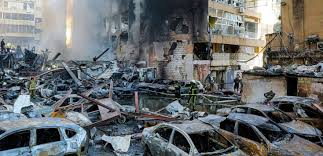
Israeli warplanes struck several areas across southern Lebanon. The attacks killed civilians and damaged residential buildings.
In Kfar Reman, an Israeli air strike hit a residential building early Monday. The attack killed nine people, including two children.
Lebanon’s National News Agency reported that five others also suffered injuries.
Meanwhile, Israeli attacks in the region killed at least two medics. Lebanese state media confirmed the deaths.
A separate Israeli drone strike also hit a civilian vehicle in Deir al-Zahrani. Two medics inside the vehicle died in the attack, according to NNA.
Attack Follows Deadly Arab Salim Strikes
The latest attacks came one day after deadly raids on Arab Salim. Israeli air strikes killed at least seven people there.
Another 20 people suffered injuries in the attacks. Arab Salim lies within Lebanon’s Nabatieh district.
The continued attacks have raised fresh concerns about the fragile security situation.
Lebanon Reports Thousands of Casualties
Lebanon’s Health Ministry says Israeli strikes have killed more than 4,350 people. The attacks have also wounded more than 12,300 people since early March.
The ministry also reported attacks against emergency medical teams.
According to its Wednesday report, Israeli forces carried out 179 attacks on Lebanese ambulance crews since March 2.
Those attacks killed 135 healthcare workers, the ministry said.
US-Brokered Agreement Fails to End Violence
The latest violence continues despite a US-brokered agreement between Israel and Lebanon.
The framework emerged in June and introduced a pilot-zone plan. The arrangement aims to reduce tensions along the border.
Under the plan, Lebanese forces would work to disarm Hezbollah. In return, Israeli forces would withdraw from southern Lebanon.
However, Israel still occupies dozens of villages in the region. It has also refused further withdrawals, according to Al Jazeera.
As a result, the diplomatic process remains stalled.
Fear Returns to Southern Lebanon
Khodr said uncertainty and fear now dominate southern Lebanon. Residents had started returning after the June agreement.
Many people also began rebuilding damaged homes. They hoped the agreement would bring lasting peace.
However, the recent attacks have renewed those fears.
“The feeling here is that Israel is trying to impose or establish new rules of engagement,” Khodr said.
She added that residents remain uncertain about what could happen next.
Israel Says It Targeted Hezbollah Facility
The Israeli military also struck a residential area in Deir al-Zahrani overnight.
The military had issued a forced evacuation order before the attack. It said the target was a building near a Hezbollah facility.
Israel claimed the facility supported the launch of an explosive drone.
However, the strike also caused civilian casualties. The incident has further intensified concerns over the safety of residents in southern Lebanon.
Southern Lebanon Faces Fresh Destruction
Israeli forces have continued demolishing villages inside their declared security zone.
They have also launched air strikes beyond the zone. Some attacks reportedly occurred without forced evacuation orders.
Consequently, civilians face renewed displacement and destruction.
The latest escalation has also complicated efforts to implement the June agreement.
For now, residents in southern Lebanon remain uncertain about what comes next.