




 By
By By Elizabeth Ugbo
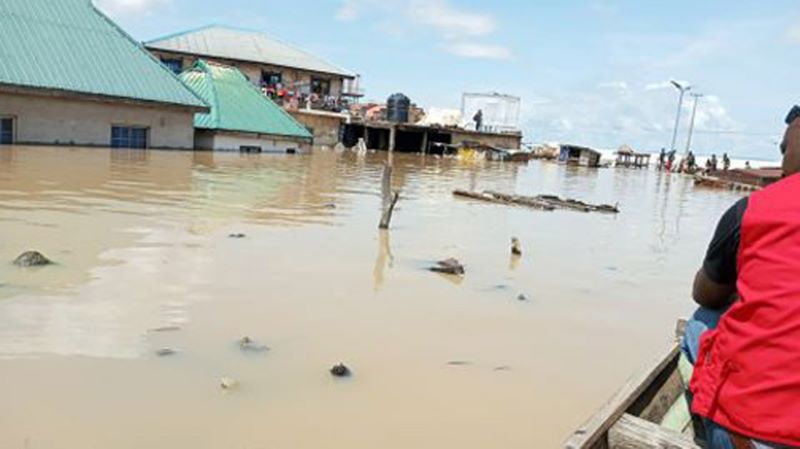
KANO, Nigeria — The National Emergency Management Agency (NEMA) has warned that 178 communities across 28 local government areas in Kano State face a moderate flood risk during the 2026 rainy season. NEMA Director-General Zubaida Umar disclosed this on Tuesday in Kano during the launch of the 2026 National Preparedness and Response Campaign (NPRC). The agency issued the warning following forecasts from NiMet and NIHSA that identified vulnerable areas. The campaign aims to improve disaster preparedness, protect lives, and reduce the impact of flooding across the state.
NEMA Identifies Flood-Prone Communities
Speaking at the event, Umar said NEMA’s risk assessment identified 28 local government areas as vulnerable to flooding.
Represented by the North-West Zonal Director, Aliyu Shehu-Kafindangi, she explained that 178 communities require special preparedness measures.
The affected local government areas include Ajingi, Bagwai, Bebeji, Bichi, Bunkure, Dala, Dawakin Kudu, Dawakin Tofa, Fagge, Gabasawa, Garun Malam, Gaya, and Gwale.
Others are Kabo, Karaye, Kiru, Kunchi, Ghari, Kura, Madobi, Rano, Rimin Gado, Sumaila, Takai, Tofa, Tudun Wada, Ungogo, and Warawa.
Flood Campaign Targets Disaster Preparedness
The stakeholders’ engagement formed part of NEMA’s nationwide preparedness campaign.
The programme carried the theme, “Strengthening Disaster Risk Governance for a Resilient Nigeria.”
The event took place at the Coronation Hall of Government House, Kano. It attracted government officials, traditional rulers, religious leaders, security agencies, humanitarian groups, and development partners.
According to Umar, forecasts from the Nigerian Meteorological Agency (NiMet) and the Nigeria Hydrological Services Agency (NIHSA) indicate that several parts of Kano remain vulnerable to flooding and related hazards.
NEMA Unveils 2026 Risk Management Framework
Umar revealed that NEMA has developed the 2026 Climate-Related Risk Management, Preparedness and Mitigation Framework.
The framework seeks to strengthen local emergency response capacity. It also promotes simulation exercises and wider dissemination of early warning information.
In addition, the framework focuses on pre-positioning relief materials and emergency equipment. It also assesses critical infrastructure vulnerabilities and improves stakeholder coordination.
She stressed that disaster preparedness costs less than emergency response.
“Preparedness is far less costly than response. Therefore, all stakeholders must take ownership of disaster risk reduction efforts,” she said.
Furthermore, she urged residents in flood-prone areas to remain vigilant and obey evacuation directives when necessary.
Kano Government Intensifies Flood Prevention Measures
Kano State Governor Abba Kabir-Yusuf reaffirmed his administration’s commitment to flood control and climate resilience.
The Commissioner for Water Resources, Environment and Climate Change, Dr. Dahiru Muhammad-Hashim, represented the governor at the event.
He disclosed that the state government has approved several measures ahead of the rainy season.
These measures include clearing drainage systems, removing illegal structures blocking waterways, and distributing tools to community groups.
The government also plans to plant 10 million tree seedlings across the state.
Kabir-Yusuf emphasized the importance of early warning systems in protecting lives and property.
He urged stakeholders to communicate weather and flood information in local languages that residents can easily understand.
Stakeholders Call for Stronger Collaboration
The Executive Secretary of the Kano State Emergency Management Agency (SEMA), Alhaji Isyaku Abdullahi-Kubarachi, called for sustained collaboration among stakeholders.
He urged communities to support environmental sanitation and disaster preparedness efforts.
Meanwhile, NiMet representative Abubakar Sani-Yahaya highlighted the importance of timely weather and climate information.
He said accurate forecasts help communities build resilience, protect lives, and support economic growth.
Sani-Yahaya also encouraged stakeholders to ensure that climate information reaches grassroots communities.
Collective Action Key to Reducing Flood Impact
Stakeholders agreed that effective disaster management requires collective responsibility.
They emphasized stronger coordination, public awareness, and community participation.
NEMA believes these efforts will significantly reduce the impact of flooding and other climate-related disasters during the 2026 rainy season.