



 By
By By Elizabeth Ugbo
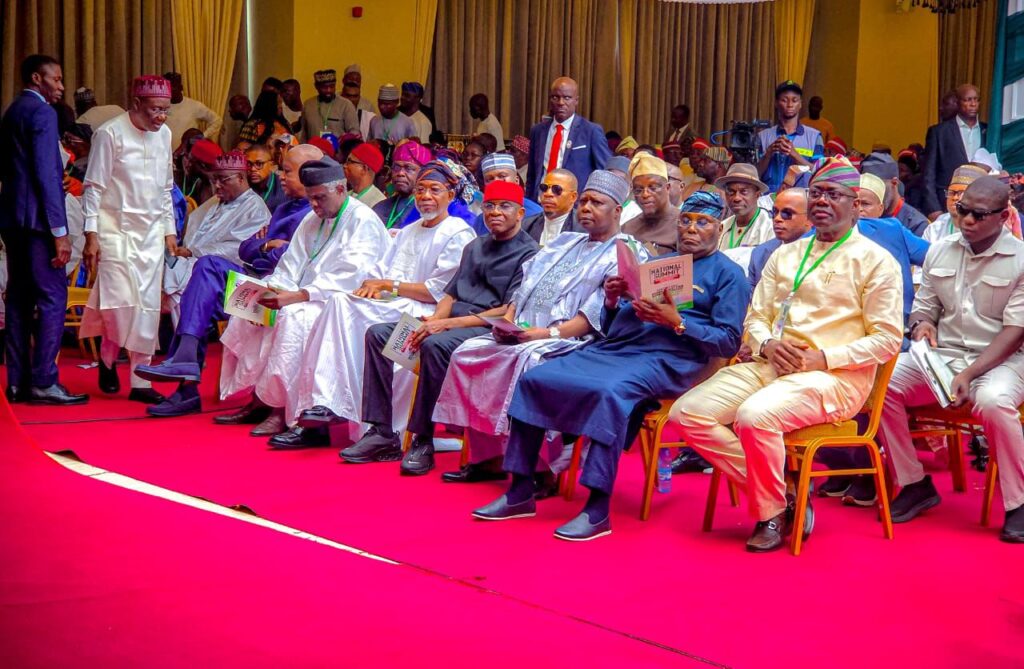
IBADAN, Nigeria — Opposition leaders who met in Ibadan on April 25, 2026, pledged to unite behind a single presidential candidate for the 2027 election. However, within weeks, the plan collapsed as major political parties nominated separate candidates. The failure of the coalition effort has widened divisions across opposition ranks and strengthened President Bola Ahmed Tinubu’s position ahead of the January 16, 2027 presidential election.
Ibadan Unity Declaration Fails to Hold
The April 25 meeting in Ibadan was widely regarded as a major political gathering ahead of the 2027 general election.
Opposition figures came together with one objective: prevent another fragmented contest against President Bola Tinubu and the All Progressives Congress (APC).
At the end of the summit, participants promised to set aside differences and support a single presidential candidate. Many believed the strategy would correct mistakes made during the 2023 election.
However, the optimism faded quickly.
Within weeks, political parties began presenting different presidential candidates. As a result, the opposition found itself in the same situation it had vowed to avoid.
Opposition Parties Produce Multiple Candidates
Instead of a consensus candidate, opposition parties unveiled separate flagbearers.
The African Democratic Congress (ADC) nominated Atiku Abubakar through the faction linked to former Senate President David Mark. Atiku defeated Rotimi Amaechi and Mohammed Hayatu-Deen during the selection process.
The Nigeria Democratic Congress chose Peter Obi as its presidential candidate.
Similarly, the Allied Peoples Movement (APM) nominated Seyi Makinde.
Meanwhile, divisions within the Labour Party produced rival endorsements. Internal disputes also affected the Social Democratic Party (SDP) and several other opposition platforms.
The Peoples Democratic Party (PDP) remained divided. One faction backed former President Goodluck Jonathan, while another selected Senator Sandy Onor.
Other parties expanded the field further by nominating Donald Duke, Omoyele Sowore, Aliyu Bin Abbas, and Anita Zugwai-Chukwu, currently the only female presidential candidate in the race.
Personal Ambitions Undermine Opposition Coalition
Political analysts argue that the collapse of the unity project reflects deeper structural problems.
According to observers, opposition leaders struggle to place collective goals above personal ambitions.
Atiku Abubakar believes his political experience and nationwide network make him the strongest challenger to Tinubu.
Peter Obi continues to enjoy strong support among young voters who view him as a credible alternative.
Likewise, Seyi Makinde maintains considerable influence within his political base.
Several other aspirants also believe they possess unique advantages. Consequently, reaching a consensus candidate became extremely difficult.
Legitimacy Questions Surround ADC Faction
Beyond the failed coalition effort, questions have emerged about the legitimacy of the Ibadan gathering.
Critics argue that individuals associated with a disputed ADC faction organised the meeting.
Ongoing legal disputes continue to challenge control of the party’s structures. Therefore, declarations made by one faction may not bind the entire organisation.
Political parties derive authority through recognised leadership structures, internal processes, and electoral recognition.
As long as leadership disputes remain unresolved, uncertainty will continue over who can negotiate alliances or commit parties to strategic agreements.
Why 2015 Coalition Comparisons May Be Misleading
Supporters of opposition unity often point to the events that produced the APC victory in 2015.
That coalition united several opposition parties behind Muhammadu Buhari and ultimately defeated the ruling government.
However, analysts highlight key differences.
The 2015 coalition emerged through negotiations among legally recognised parties with stable leadership structures and agreed frameworks.
Today’s political environment looks very different.
Many opposition parties face internal disputes, factional battles, and legal challenges. Instead of moving toward integration, several appear increasingly divided.
Therefore, comparisons with the 2015 coalition may oversimplify the current political realities.
2027 Presidential Election: A Crowded Political Field
With party primaries largely completed, Nigeria’s political landscape is becoming clearer.
The Independent National Electoral Commission (INEC) has scheduled the presidential election for January 16, 2027.
President Bola Tinubu has secured the APC ticket and will seek re-election.
Meanwhile, opposition parties continue to produce multiple candidates across various platforms.
This growing list of contenders reflects the diversity of Nigeria’s democratic system. However, it also highlights deep fragmentation within opposition ranks.
Many strategists fear that divided opposition votes could once again benefit the ruling party.
Regional Politics May Not Decide the Election
One notable feature of the emerging race is the regional background of many candidates.
Most presidential aspirants currently come from Southern Nigeria, while only a few originate from the North.
Nevertheless, analysts warn against focusing solely on regional identity.
Political scientist Dr. Christian Okeke argues that national appeal now matters more than geography.
According to him, political influence, voter mobilisation, and organisational strength will play larger roles in determining the outcome.
Similarly, former Youth Democratic Party National Chairman Georgina Dakpokpo believes economic realities will influence voters.
She points to insecurity, poverty, and economic hardship as major concerns shaping public opinion.
Economic Challenges Could Shape Voter Decisions
Many Nigerians continue to face rising living costs and security concerns.
As a result, voters may focus more on governance performance than traditional political loyalties.
Dakpokpo argues that opposition leaders continue to place personal ambitions above national interests.
Her position reflects growing frustration among citizens who believe opposition parties have repeatedly failed to unite despite recognising the need for cooperation.
Tinubu Remains the Candidate to Beat
For many observers, President Tinubu remains the central figure in the 2027 election.
As the incumbent, he benefits from national visibility, established party structures, and extensive political networks.
Governance advocate Auwal Musa Rafsanjani of CISLAC and Transparency International Nigeria believes multiple Southern candidates could split votes in several regions.
However, he insists that governance performance and public confidence will remain decisive factors.
Rafsanjani argues that candidates capable of building broad national alliances will gain a significant advantage.
Political analyst Sylvanus Udoenoh shares a similar view.
According to him, presidential elections in Nigeria are won through nationwide coalitions rather than regional popularity.
Opposition Disunity May Benefit APC in 2027
As the campaign season approaches, one reality stands out.
The key issue is not the number of candidates or their regional origins.
Instead, the defining challenge is whether any candidate can build a coalition strong enough to unite diverse voter groups and address Nigeria’s pressing problems.
For now, the opposition remains divided.
The APC remains relatively united.
Consequently, the greatest challenge facing opposition parties may not be President Tinubu himself.
Rather, it may be their continued inability to unite behind a common purpose.
If that situation persists until election day, the factors that shaped the 2023 outcome could once again determine the result in 2027.