



 By
By Elizabeth Ugbo
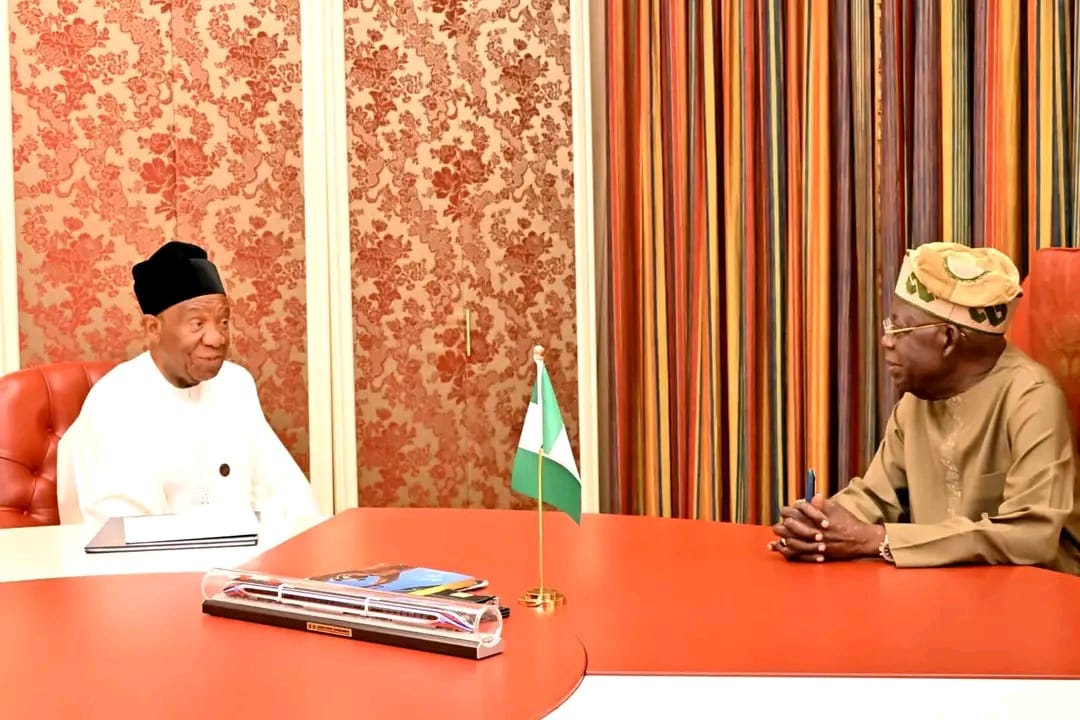
President Bola Ahmed Tinubu has reaffirmed his support for indigenous engineering firms as Lee Engineering builds two compressor stations in Edo State to unlock the Escravos–Lagos Pipeline System’s capacity of 2.3 billion standard cubic feet of gas daily. The President made this commitment during a meeting with Lee Engineering Group Chairman, Chief Dr Leemon Ikpea, at the State House in Abuja. He said the Nigeria First policy would promote local industries, create jobs, improve electricity supply and increase Nigeria’s gas export earnings.
Tinubu Reaffirms Support for Nigerian Engineering Firms
President Tinubu reiterated his administration’s commitment to developing Nigeria’s gas resources and strengthening local engineering capacity.
He urged international oil companies operating in Nigeria to give competent indigenous firms greater opportunities in major energy projects.
According to the President, the Nigeria First policy should deliver more contracts to capable Nigerian businesses. It should also encourage local manufacturing and create skilled employment opportunities.
Furthermore, Tinubu called for stronger partnerships between international oil companies and Nigerian engineering firms. He said local companies with proven expertise could successfully execute complex energy infrastructure projects.
Lee Engineering Builds Two Gas Compressor Stations
Lee Engineering is handling the Engineering, Procurement and Construction (EPC) of two midline compressor stations in Edo State.
The stations will support the full operating capacity of the Escravos–Lagos Pipeline System (ELPS).
The pipeline’s designed capacity increased from 1.1 billion to 2.3 billion standard cubic feet of gas daily under the ELPS II expansion.
However, the pipeline requires adequate operating pressure to transport gas at its expanded capacity. The two compressor stations will help achieve this objective.
Consequently, the project will strengthen Nigeria’s gas transportation infrastructure and improve the delivery of natural gas to power plants and industries.
Project Expected to Boost Gas Supply and Exports
The compressor stations will improve gas transportation along the Escravos–Lagos corridor.
This development could help power plants receive more gas and support industrial operations across the country.
Additionally, the expanded capacity could increase gas supplies to neighbouring West African countries through the West African Gas Pipeline.
The project could also generate additional export earnings for Nigeria. Increased gas availability may further support industrial growth and improve electricity generation.
Tinubu Highlights Nigeria First Policy
President Tinubu stressed that the Nigeria First policy must produce tangible economic benefits for Nigerians.
He called for greater use of locally manufactured equipment and more opportunities for indigenous engineering companies.
The President also highlighted his administration’s 2024 executive orders and presidential directives on local content compliance.
These measures target contracting costs, approval timelines and investment conditions. They also aim to reduce project delays and expand opportunities for Nigerian businesses.
Therefore, the administration wants international oil companies to engage capable local contractors in delivering major energy infrastructure projects.
Lee Engineering Highlights Local Manufacturing Capacity
Chief Dr Leemon Ikpea commended President Tinubu for promoting the Nigeria First policy.
He disclosed that Lee Engineering’s fabrication yard in Warri, Delta State, manufactures some components for the compressor stations.
According to Ikpea, the facility houses advanced fabrication equipment that supports complex engineering projects.
He added that Nigerian companies have invested heavily in modern technology, equipment and skilled personnel.
As a result, indigenous firms can now undertake complex Engineering, Procurement and Construction projects previously dominated by foreign contractors.
Ikpea noted that greater participation by local companies would retain more jobs, technical expertise and economic value within Nigeria.
Gas Infrastructure Project Supports Nigeria’s Energy Ambitions
The compressor station project highlights the growing role of indigenous engineering firms in Nigeria’s energy sector.
By expanding local participation, the government hopes to strengthen domestic expertise and increase investment in gas infrastructure.
Moreover, improved gas transportation could support electricity generation, industrial production and regional exports.
The project also reinforces the importance of partnerships between government, international oil companies and Nigerian engineering firms in developing the country’s energy resources.