



 By
By By Elizabeth Ugbo
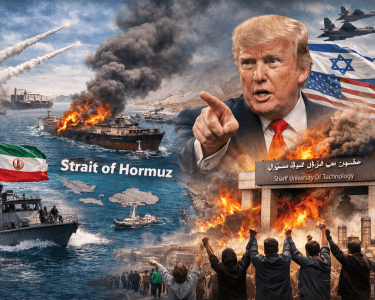
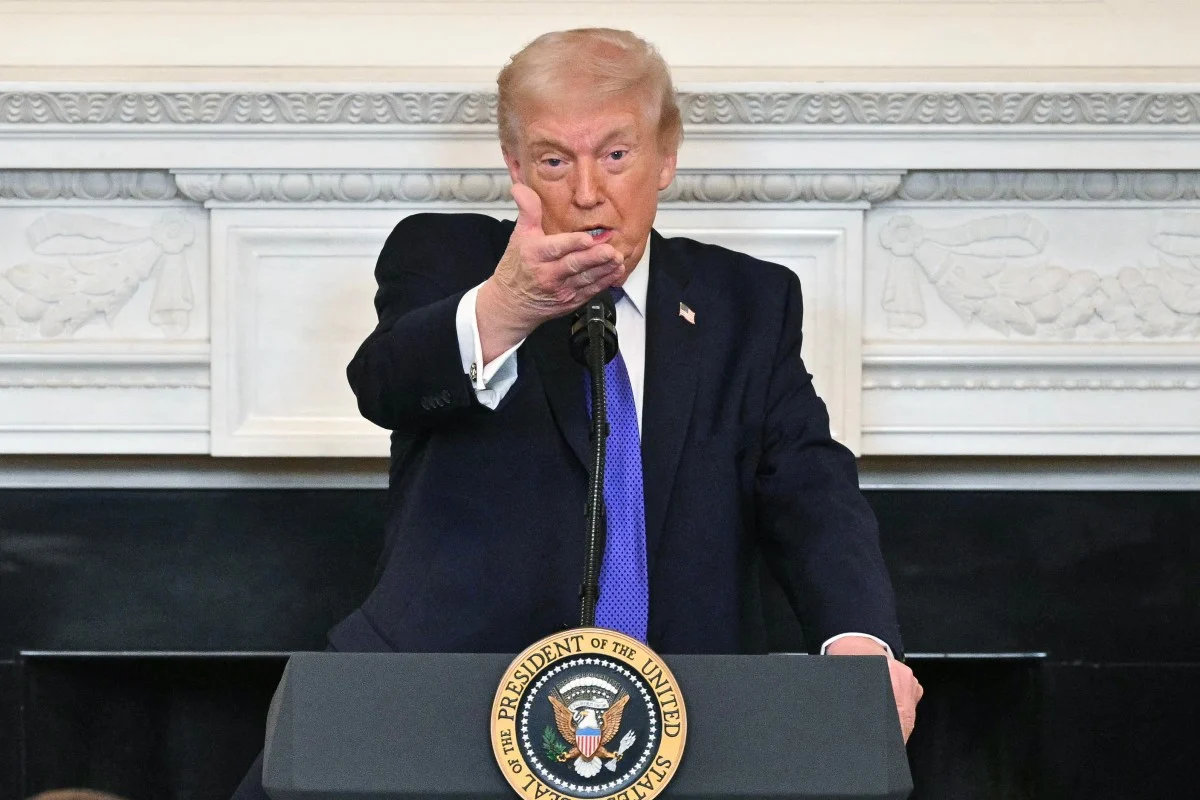
Donald Trump announced on Tuesday evening that the United States would suspend a planned bombing of Iran for two weeks. He made the decision hours before a deadline for military action. The move followed mediation efforts by Pakistan and a ceasefire proposal from Tehran. Trump said the pause would allow negotiations and prevent further destruction.
Ceasefire Deal Offers Temporary Relief
Trump confirmed that both sides agreed to a “double-sided ceasefire.” He stated that US forces had already achieved their military objectives.
Moreover, he revealed that Iran submitted a 10-point proposal. According to him, the proposal provides a workable path toward long-term peace in the Middle East.
In addition, Trump expressed confidence that most disagreements had been resolved. He described the development as a major step toward ending a long-standing conflict.
Iran Responds With Conditional Agreement
Abbas Araghchi confirmed the tentative agreement shortly after Trump’s announcement. He stated that Iran would halt defensive operations if attacks stopped.
Furthermore, Iran agreed to reopen the Strait of Hormuz for safe passage under coordinated conditions.
Iranian authorities also signaled that the ceasefire could extend beyond two weeks if talks progress successfully.
Pakistan Plays Key Mediation Role
Trump credited Pakistan for helping to de-escalate tensions. He said discussions with Shehbaz Sharif and Asim Munir influenced his decision.
As a result, the US agreed to delay the attack. However, Trump warned that Iran must fully reopen the Strait of Hormuz to maintain the pause.
Confusion and Skepticism in Tehran
Despite the announcement, uncertainty remains in Tehran. Observers questioned whether the ceasefire covers all military operations.
Some analysts also raised concerns about the short timeline. They argued that two weeks may not be enough to finalize a lasting agreement.
Background: Rising Tensions and Heavy Casualties
The conflict began on February 28 after joint attacks by the US and Israel. Leaders, including Benjamin Netanyahu, defended the offensive as necessary.
However, legal experts criticized the strikes as violations of international law.
So far, the war has caused significant casualties:
- Over 2,000 deaths in Iran
- Dozens killed in Gulf states and Israel
- 13 US military personnel confirmed dead
What Happens Next?
Talks are expected to continue in Islamabad in the coming weeks. Meanwhile, the world watches closely as negotiations unfold.
If both sides honor the ceasefire, tensions could ease. However, failure to reach an agreement may reignite the conflict quickly.