



 By
By By Elizabeth Ugbo
The Federal Capital Territory (FCT) will remain under federal policing if Nigeria adopts the proposed state police system, Senate spokesman Yemi Adaramodu said on Friday. The clarification follows questions about why Abuja was excluded from the constitutional framework as the Federal Government works to decentralise policing across the country.
Senate Explains FCT’s Exclusion
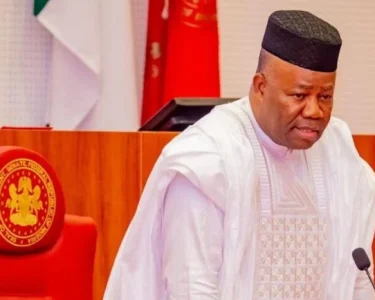
Adaramodu, Chairman of the Senate Committee on Media and Publicity, explained the position while speaking with Saturday PUNCH.
He said the FCT has a different constitutional and administrative structure from Nigeria’s 36 states.
Unlike the states, the FCT has no governor or State House of Assembly.
Instead, the Federal Government administers the territory through the FCT Minister.
The minister operates under the Federal Executive Council and implements federal directives.
Adaramodu therefore said the federal police would remain responsible for policing the FCT.
He added that the National Assembly exercises legislative powers over the territory.
Consequently, the FCT cannot adopt the same policing arrangement proposed for the states.
State Police Framework Under Review
The clarification comes as the Federal Government advances plans for a new policing architecture.
The proposed system seeks to decentralise policing and provide constitutional backing for state police.
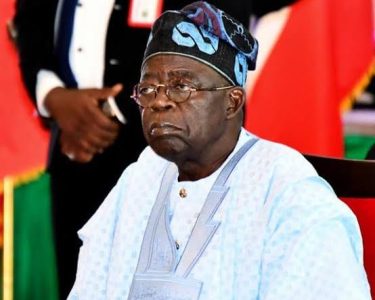
President Bola Tinubu is expected to receive the draft Executive National Policing Bill on September 3.
The bill would establish the operational framework for the proposed policing system.
Chief of Staff to the President, Femi Gbajabiamila, disclosed the development after a meeting in Abuja.
Gbajabiamila also chairs the Presidential Working Group on the National Policing Bill.
The group continues to harmonise proposals ahead of the bill’s presentation to the President.
States to Fund Their Police Forces
Under the proposed constitutional amendments, State Houses of Assembly would gain important powers.
They would make laws on the establishment and administration of state police.
Their responsibilities would also cover funding, organisation and oversight.
However, states would carry the primary financial responsibility for their police forces.
The framework would also allow states to receive federal grants or assistance.
A proposed Section 216A provides for such federal support.
Under the provision, the Federal Government may provide grants or aid to state police.
However, the National Police Council must first recommend the assistance.
The National Assembly must then approve the funding.
No Guaranteed Federal Funding Yet
The proposed framework does not establish a minimum federal contribution.
It also does not provide a specific funding formula for state police.
Additionally, the proposal does not guarantee a dedicated federal revenue stream.
Therefore, states may have to rely largely on their own resources.
Federal assistance would depend on the recommendation and approval process.
This funding structure could shape relations between state governments and the Federal Government.
The National Police Council will play an important role in that process.
The President chairs the council alongside other senior federal and state officials.
Executive Bill to Guide Implementation
The constitutional amendment would provide the legal foundation for state police.
Meanwhile, the Executive National Policing Bill would provide the operational framework.
The government expects the legislation to guide the implementation of the new policing architecture.
However, funding and administrative control remain major issues in the ongoing debate.
The government is also seeking public input before finalising the proposed legislation.
Adaramodu unveiled a public information portal for Nigerians to submit memoranda and position papers.
The submissions will help shape the proposed legislation before presidential consideration.
Afterward, the government plans to transmit the bill to the National Assembly.
FCT Policing Remains Federal
For now, the FCT will remain outside the proposed state police arrangement.
Its constitutional status means it does not operate like a state.
Therefore, the Federal Government will continue to oversee policing within the territory.
The issue could remain part of the wider debate as lawmakers consider the proposed amendments.
For Abuja residents, however, the immediate policing structure will remain under federal control.