



 By
By By Elizabeth Ugbo
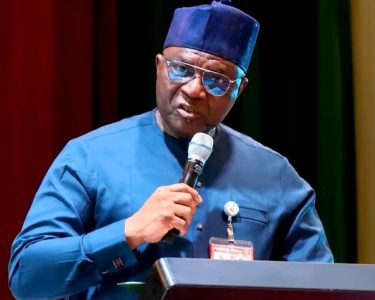
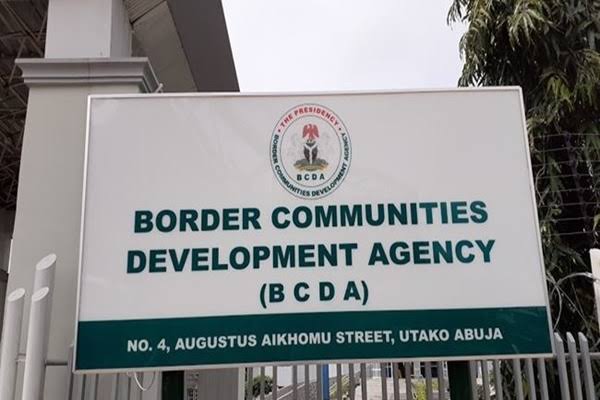
The Border Communities Development Agency (BCDA) faces a leadership crisis as the Finance Ministry holds back N10 billion in approved funds while the Presidency and outgoing Director-General Dakorinama George dispute who leads the agency.
Presidency Appoints Namdas as BCDA DG
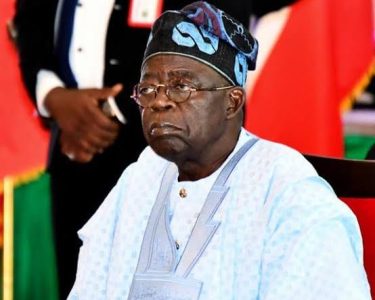
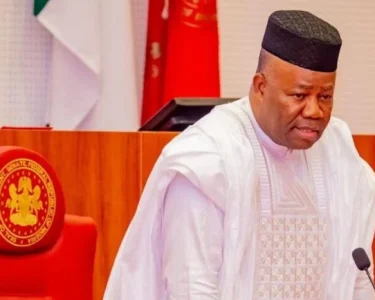
The dispute began on June 26, when President Bola Tinubu appointed former House of Representatives spokesman Abdulrazak Namdas as BCDA Director-General.
The President announced the appointment through his Special Adviser on Information and Strategy, Bayo Onanuga.
According to Onanuga, Namdas replaced George, who resigned to contest elective office in Rivers State.
However, George rejected the claim that he resigned from the agency.
He said he withdrew from the Rivers State APC governorship primary before the exercise took place.
George also described the announcement of his replacement as an error that officials quickly corrected.
George Refuses to Vacate Office
Despite the Presidency’s position, George has continued to operate from the agency.
He has also held official meetings in recent weeks.
One meeting involved Finance Minister Taiwo Oyedele.
During the meeting, George appealed for timely budget releases to support the agency’s operations.
He also highlighted the BCDA’s N50 billion allocation in the 2026 budget.
A source said the government had approved N10 billion for release.
However, the payment reportedly stopped after reports emerged about the leadership dispute.
“The media reports on the matter made the minister stop the payment because evidently, there is a problem,” the source said.
The source added that the crisis had paralysed activities at the agency.
Finance Ministry Explains Position
The Ministry of Finance has now addressed the controversy surrounding the delayed funding.
Its Director of Press and Public Relations, Efe Ovuakporie, spoke with this newspaper on Friday.
She said the ministry could not comment on the BCDA’s internal administrative process.
According to Ovuakporie, the ministry follows statutory and administrative procedures before releasing public funds.
She explained that officials must resolve any leadership or governance concerns first.
This approach, she said, protects accountability and ensures proper use of public resources.
Ovuakporie neither confirmed nor denied that officials had blocked the BCDA funds.
She also did not disclose any specific requirement the agency had failed to meet.
Nevertheless, the ministry’s position suggests that the leadership dispute must end before funding resumes.
Presidency Maintains Namdas Is the DG
The Presidency has firmly rejected George’s interpretation of events.
Onanuga has maintained that Namdas remains the duly appointed head of the agency.
Presidency sources also insist that the June 26 appointment remains valid.
Meanwhile, allegations have emerged about political interests supporting George’s continued stay.
Some sources have linked the development to powerful figures within the administration.
However, those allegations have not been independently established.
BCDA’s Role in Border Communities
The BCDA operates under the Border Communities Development Agency Act of 2003.
The law was later amended in 2006.
The agency serves more than 3,000 border communities across 105 local government areas.
These communities span 21 Nigerian states that share international borders.
The BCDA provides roads, schools, healthcare facilities and water projects.
It also delivers other social and economic interventions in border communities.
These projects aim to improve living conditions and strengthen national integration.
Furthermore, they reduce residents’ dependence on neighbouring countries for basic services.
Funding Dispute Threatens Border Projects
The leadership crisis has created uncertainty around the agency’s operations.
As a result, several planned projects may face delays.
The funding dispute could also prevent the agency from using its 2026 budget allocation.
Consequently, vulnerable border communities may continue waiting for essential infrastructure.
The situation has therefore raised concerns among stakeholders who depend on BCDA interventions.
Opposition Parties Attack Tinubu Administration
The dispute has also attracted strong political reactions.
The African Democratic Congress described the crisis as evidence of deeper governance problems.
The opposition party claimed that President Tinubu may have lost control of his administration.
Former Vice-President Atiku Abubakar also criticised the situation.
He linked the BCDA controversy to other recent administrative challenges.
According to Atiku, repeated disputes point to weaknesses within government coordination.
He also cited concerns about legal vetting and adherence to due process.
Leadership Resolution Remains Critical
The BCDA now faces a critical leadership test.
On one side, George insists that he remains the legitimate Director-General.
On the other side, the Presidency recognises Namdas as his replacement.
Meanwhile, the Finance Ministry has withheld clarity on the N10 billion funding.
Therefore, resolving the leadership dispute remains essential for the agency’s operations.
Until then, the BCDA may struggle to implement projects across Nigeria’s border communities.