



 By
By By Elizabeth Ugbo
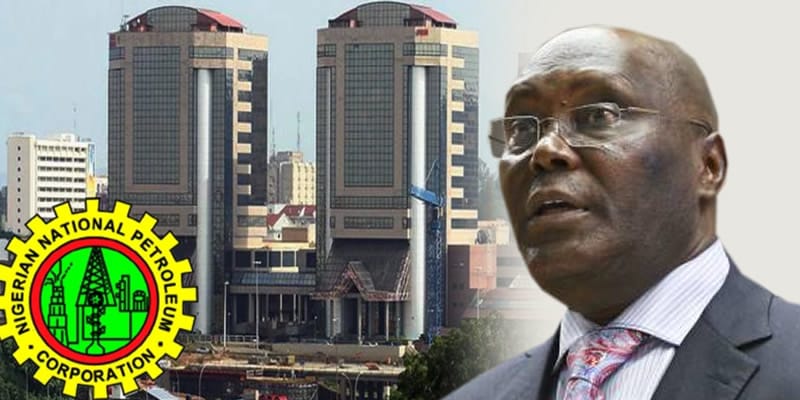
Former Vice President Atiku Abubakar has renewed debate over petrol subsidy in Nigeria, after supporting its return despite opposing the policy during the 2023 presidential campaign. His latest position has drawn criticism from supporters of economic reforms, who argue that subsidy removal remains vital for fiscal stability, local refining and long-term growth. The debate comes as Nigerians continue to face economic pressures linked to fuel prices, inflation and rising living costs.
Atiku’s Changing Position on Fuel Subsidy
Atiku Abubakar strongly opposed the old petrol subsidy regime during the 2023 election campaign.
He argued that the system drained government resources and encouraged corruption. He also supported removing the subsidy to strengthen Nigeria’s economy.
However, his recent position marks a significant shift from that earlier stance.
Atiku now supports measures that could restore petrol subsidies. Critics therefore question the consistency of his economic policy.
The 2023 Fuel Subsidy Debate
During the 2023 presidential campaign, Atiku made subsidy removal central to his economic agenda.
He described the old system as costly and vulnerable to abuse. He also argued that the policy benefited a limited group at the expense of Nigerians.
At the time, he backed market-driven reforms to reduce government spending.
Therefore, his latest position has sparked renewed political debate.
Critics say the change reflects the growing pressure surrounding Nigeria’s economic challenges.
Why Subsidy Removal Remains Controversial
Nigeria’s fuel subsidy debate remains highly sensitive because petrol affects transport and household expenses.
The Federal Government removed the subsidy in 2023. Since then, Nigerians have faced higher petrol prices and increased living costs.
However, the policy has also reduced a major burden on public finances.
The government has redirected savings from subsidy payments toward other areas. These include infrastructure, social programmes and state-level allocations.
Moreover, Nigeria has increased efforts to expand domestic refining capacity.
Local Refining Could Change Nigeria’s Fuel Market
The growth of domestic refining represents one major development since subsidy removal.
New refining capacity could reduce Nigeria’s dependence on imported petrol. It could also reduce pressure on foreign exchange reserves.
Furthermore, local refining could strengthen energy security and create more economic opportunities.
Supporters of the reform argue that restoring subsidies could undermine these gains.
They warn that a return to the old system could revive incentives for fuel import dependence.
The Political Dimension of Atiku’s Position
Atiku’s latest position has also triggered questions about political strategy.
Nigeria is already moving toward another election cycle. Consequently, economic policies are likely to become major campaign issues.
Many Nigerians remain frustrated by high food, transport and energy costs.
Therefore, promises to reduce petrol prices could attract significant public attention.
Nevertheless, critics argue that short-term relief should not replace sustainable economic planning.
They insist that political leaders must explain how they would fund any subsidy programme.
Nigeria Needs Sustainable Economic Solutions
The fuel subsidy debate goes beyond petrol prices.
It also concerns government revenue, foreign exchange, investment and public spending.
A return to widespread petrol subsidies could increase pressure on government finances.
It could also discourage investment in domestic refining if imported fuel receives government support.
Instead, policymakers should focus on targeted relief for vulnerable Nigerians.
They should also strengthen local production and improve public transportation.
Additionally, government spending must deliver measurable benefits for citizens.
Conclusion
Atiku Abubakar’s shift on petrol subsidy has reopened an important national debate.
His earlier support for subsidy removal contrasts sharply with his current position.
However, Nigerians need more than political arguments over fuel prices.
The country needs clear economic policies that protect citizens while supporting long-term growth.
Ultimately, sustainable reforms should balance immediate relief with fiscal responsibility and economic stability.