




 By
By By Elizabeth Ugbo
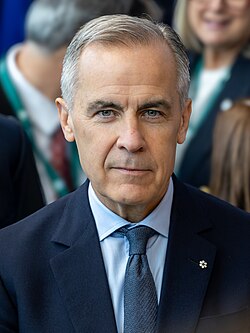
Canada’s Prime Minister Mark Carney announced retaliatory tariffs on Saturday, August 23, 2026, targeting US goods worth $20 billion. The move came after President Donald Trump imposed a 50 percent levy on selected Canadian exports. Carney said Canada would match the US tariffs dollar for dollar to protect workers, farmers, families and businesses.
Canada Responds to New US Tariffs
Carney announced the measures in Ottawa after trade talks with Washington collapsed late Friday.
He said the new Canadian tariffs would take effect on September 8.
The tariffs will target several major US industries. These include steel, dairy, electronics and agricultural equipment.
Canada will also target appliances, pulp and paper, and other US products.
The government plans to release further details about the measures in the coming days.
Trade Talks Break Down
Carney said earlier negotiations with the United States had produced encouraging progress.
However, he said Washington later introduced new conditions that Canada could not accept.
“In recent days, the United States proposed new terms that were uneconomic, unfair and undermined the net benefits for Canada,” Carney said.
He added that the demands also threatened Canada’s ability to negotiate future trade agreements.
Carney also criticised what he described as threats against the French language and Quebec culture.
“We cannot accept what they’ve offered, and we will not give what they’ve asked,” he said.
New US Tariffs Affect Canadian Businesses
Trump’s latest tariffs cover about $20 billion in Canadian goods.
The affected products include wine, furniture, dairy products and cement.
The list also covers clothing, fishing rods and hockey equipment.
The goods represent about 5.5 percent of Canada’s exports to the United States.
However, Canadian officials expect the wider economic impact to extend beyond the targeted products.
Al Jazeera’s David Mercer reported from Calgary that businesses face rising costs.
He said prices and unemployment could also increase across the country.
Small and medium-sized businesses may face the greatest pressure.
Some businesses could struggle to survive if higher costs continue for years.
Canada Plans Support for Affected Industries
The Canadian government also plans support measures for affected industries.
Officials are expected to announce the measures next week.
Carney said the support could remain in place for several years.
The government wants to protect workers and businesses during the trade dispute.
Therefore, Ottawa may increase assistance for sectors facing major losses.
Canada Seeks New Global Trade Partners
Carney has also presented the trade dispute as an opportunity.
He wants Canada to reduce its heavy dependence on the United States.
Canada sends nearly 70 percent of its exports to the US market.
As a result, Ottawa wants stronger economic ties with Europe and Asia.
Carney has travelled internationally to strengthen those relationships.
He has also discussed new trade and military partnerships with other countries.
The strategy could help Canada diversify its economy over the longer term.
Canadians Back Tougher Trade Position
Public opinion also appears to support Carney’s tougher approach.
A recent Leger poll found that 56 percent of Canadians favoured a hard line.
Most respondents opposed making further concessions to Washington.
The findings give Carney stronger public backing during the trade dispute.
Trump Hits Back at Carney
Trump responded sharply to Carney’s announcement on Truth Social.
He questioned Canada’s position and criticised its trade policies.
Trump also accused Canada of imposing high tariffs on American farmers.
He said Washington would no longer accept what he described as unfair treatment.
The latest exchange has further strained relations between the two longtime allies.
What the Trade War Means for Canada
The dispute could create significant economic challenges for Canada.
Higher tariffs may increase production costs for businesses.
Consumers could also face higher prices across several product categories.
Furthermore, unemployment could rise if companies reduce production or cut jobs.
However, Canada hopes stronger international trade ties can reduce future risks.
The coming weeks will show whether Ottawa and Washington can return to negotiations.
For now, both countries appear ready to defend their economic interests.