



 By
By By Elizabeth Ugbo
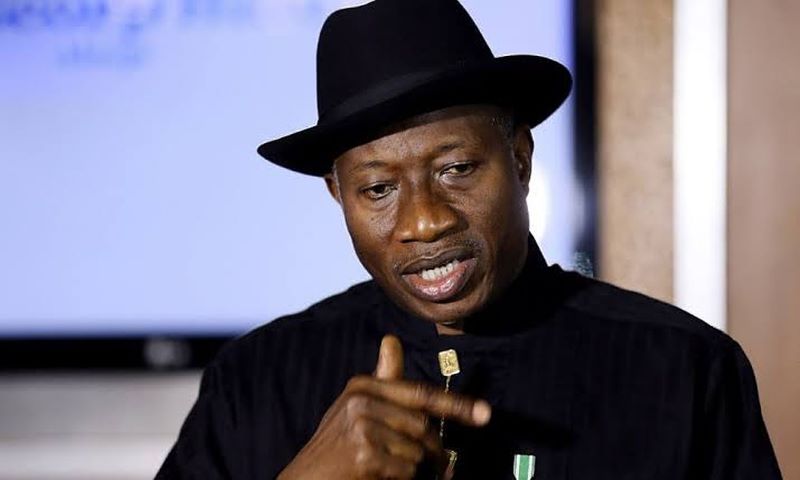
Former President Goodluck Ebele Jonathan has responded to criticism from Atiku Abubakar, who questioned his experience in office. Speaking in Abuja, Jonathan rejected the claim, defended his record, and stressed that political instability threatens economic growth in West Africa. The exchange comes as political actors begin positioning for Nigeria’s 2027 presidential election.
Jonathan Rejects ‘Inexperience’ Claim
Jonathan firmly dismissed Atiku’s remarks, describing them as unfounded. He argued that leadership always involves tough decisions and inevitable mistakes.
“No leader governs without errors,” he said. “Mistakes reflect human nature, not incompetence.”
He also challenged the age-related criticism. Jonathan noted that he became president at 53 and left office at 58.
“Must I have been 100 years old before leading a country?” he asked.
Focus on Governance and Regional Stability
Beyond personal defence, Jonathan shifted attention to broader governance issues. He warned that political instability continues to hinder economic progress across West Africa.
He emphasised that Economic Community of West African States (ECOWAS) cannot achieve its goals without stable democratic systems.
“We cannot achieve economic progress if our societies remain politically unstable,” he said.
However, he acknowledged that enforcing democratic standards within ECOWAS often creates tensions among member states. Issues of sovereignty frequently complicate collective decisions.
Call for Collective Responsibility
Jonathan urged regional leaders to prioritise unity and cooperation. He stressed that heads of state must work together to maintain order and continuity.
“That responsibility lies with leaders acting collectively,” he added.
Atiku’s Broader Political Positioning
Atiku, now aligned with the African Democratic Congress (ADC), made the comments during a televised interview. He also assessed key political figures, including:
- Peter Obi
- Rotimi Amaechi
- Rabiu Musa Kwankwaso
Additionally, Atiku criticised the administration of President Bola Ahmed Tinubu, signalling early political manoeuvres ahead of 2027.
Jonathan Highlights Achievements in Office
Jonathan defended his legacy by pointing to key achievements during his presidency. He highlighted Nigeria’s improved diplomatic standing and election into the United Nations Security Council.
According to him, these milestones resulted from deliberate and strategic engagement on the global stage.
He maintained that his administration focused on responsible governance despite challenges.
A Shift in Jonathan’s Tone
Since leaving office in 2015, Jonathan has largely avoided partisan debates. However, his recent response signals a shift toward a more direct engagement with political discourse.
The exchange with Atiku reflects rising political tension as the 2027 election approaches.