



 By
By By Elizabeth Ugbo
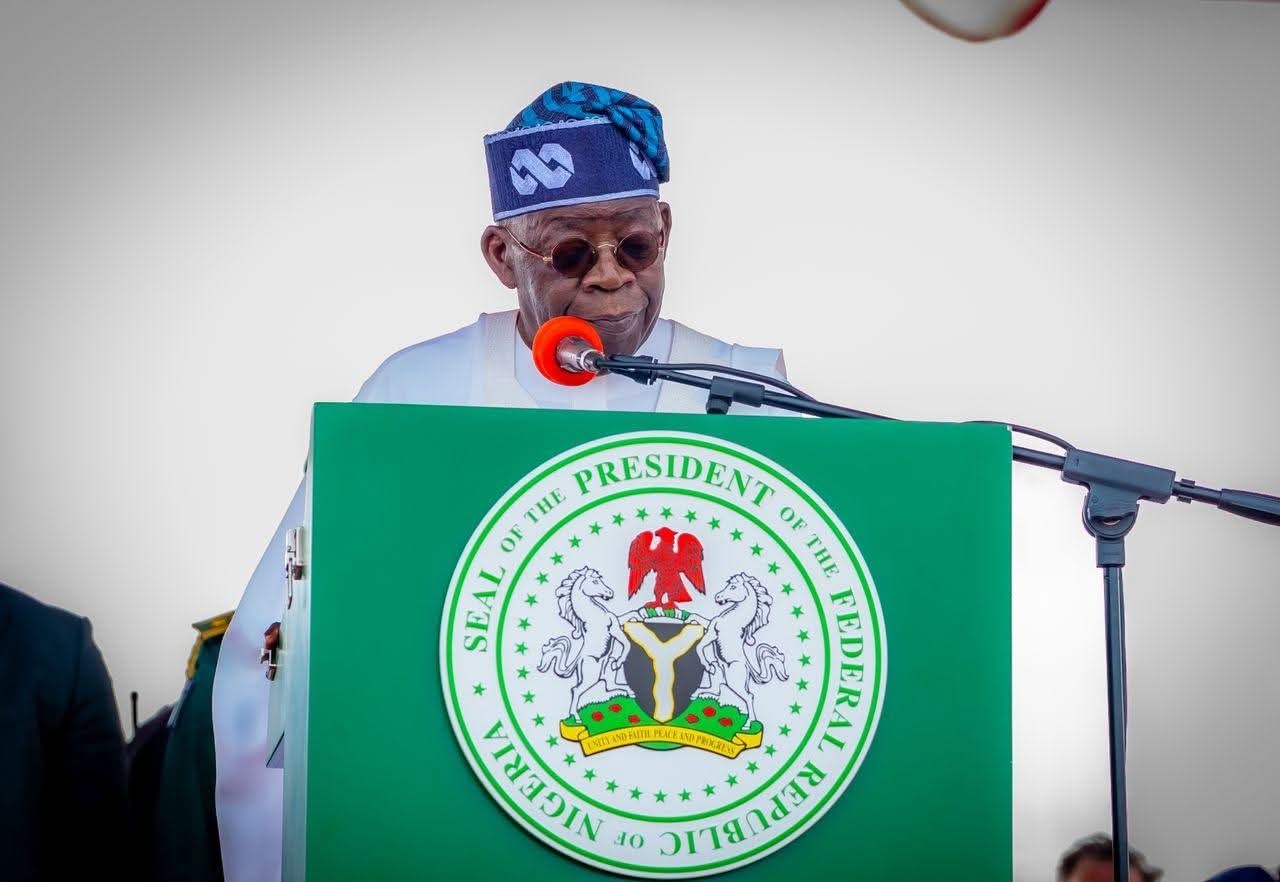
President Bola Ahmed Tinubu has signed the Presidential Executive Order on Virtual Assets Coordination 2026 in Abuja, directing key financial and security agencies to harmonise virtual asset regulation across Nigeria. The order, which takes immediate effect, aims to protect citizens from fraud, strengthen financial security, improve regulatory coordination, and support responsible innovation in the country’s growing digital economy.
Executive Order Takes Immediate Effect
President Tinubu signed the Executive Order under Section 5 of the 1999 Constitution of the Federal Republic of Nigeria (as amended).
The Federal Government said the directive addresses the growing complexity of virtual assets, which increasingly overlap with currencies, securities, commodities, and payment systems.
Officials noted that separate regulatory efforts had created overlaps and gaps, exposing Nigeria to financial crimes and regulatory loopholes.
Government Targets Fraud and Financial Crimes
According to the government, weak coordination among agencies allowed fraudulent operators to exploit Nigerians through unregistered virtual asset schemes.
The Executive Order seeks to reduce risks linked to:
- Money laundering
- Terrorism financing
- Cybersecurity threats
- Data privacy breaches
- Financial fraud
- Revenue leakages
Authorities believe the coordinated framework will strengthen consumer protection while preserving innovation.
Virtual Asset Council to Coordinate Regulation
The Executive Order establishes a Virtual Asset Council to oversee collaboration among relevant government institutions.
The Central Bank of Nigeria (CBN) will chair the council, while the Nigeria Revenue Service (NRS) and the Securities and Exchange Commission (SEC) will serve as vice-chairpersons.
Other members include:
- Nigerian Financial Intelligence Unit (NFIU)
- Office of the National Security Adviser (ONSA)
The council will provide policy direction, improve cooperation among agencies, and work with the Attorney-General of the Federation to develop a harmonised legal framework for the sector.
Virtual Asset Office to Handle Daily Operations
The Executive Order also creates a Virtual Asset Office, which will serve as the council’s operational arm.
The office will operate from the Central Bank of Nigeria and coordinate information sharing, applications, reporting, and regulatory activities.
An integrated supervisory technology platform will support collaboration while allowing each agency to retain full ownership of its data.
Existing Agencies Retain Their Powers
The Federal Government clarified that the Executive Order does not establish a new regulator.
Instead, every participating institution will continue to exercise its existing legal responsibilities.
Under the framework:
- The SEC will register virtual assets classified as securities.
- The CBN will regulate payment, settlement, custody, and other services involving non-security virtual assets.
- The council will resolve disputes where regulatory responsibility remains unclear.
Officials said this arrangement closes loopholes previously exploited by unregistered operators.
CBN to Launch Regulatory Sandbox
Furthermore, the Central Bank of Nigeria will introduce a regulatory sandbox for virtual asset businesses.
The sandbox will allow eligible firms to test blockchain products and digital asset services under close regulatory supervision before entering the wider market.
Authorities said the initiative will help regulators assess the impact of new technologies on:
- Financial stability
- Monetary policy
- Consumer protection
- Financial inclusion
- Revenue generation
- Market integrity
The CBN will announce additional details in due course.
Nigeria Revenue Service to Release Tax Policy
Meanwhile, the Nigeria Revenue Service will publish a dedicated tax policy for the virtual assets industry.
The policy will clarify how Nigeria’s tax laws apply to digital assets and provide certainty for investors, businesses, and service providers.
Government officials expect the framework to improve voluntary tax compliance while boosting national revenue.
Government Preparing Virtual Assets White Paper
The Federal Government is also finalising a comprehensive Virtual Assets White Paper.
The document will outline Nigeria’s long-term strategy for virtual assets and blockchain technology while providing implementation priorities for stakeholders.
Council Given 30 Days to Deliver Framework
President Tinubu has directed the newly established Virtual Asset Council to prepare a Harmonised Implementation Framework within 30 days.
The framework will guide participating agencies in implementing the Executive Order and ensure its timely execution across the country.