



 By
By By Elizabeth Ugbo
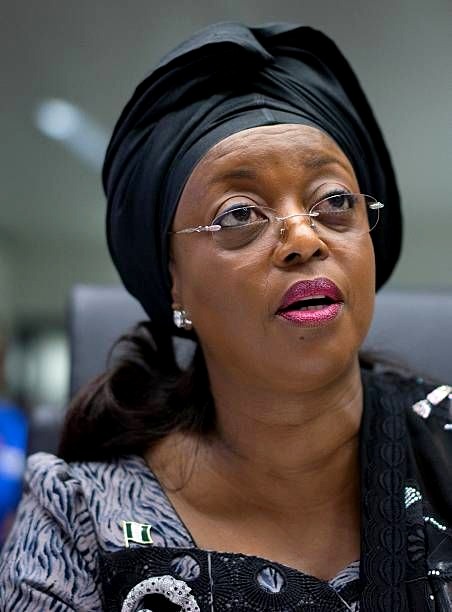
Former Nigerian Petroleum Minister Diezani Alison-Madueke, her co-defendants, prosecutors, and defence lawyers on Tuesday concluded arguments at the Southwark Crown Court in the United Kingdom over alleged bribery linked to oil contracts awarded between 2010 and 2015. The trial focused on claims that Alison-Madueke received luxury gifts and properties from oil executives in exchange for influence, while the defence challenged the credibility of evidence and accused prosecutors of withholding key documents.
Defence Challenges Missing Documents
Jonathan Laidlaw, counsel to Alison-Madueke, argued that prosecutors failed to provide critical records needed for the defence.
According to him, documents related to reimbursements, official movements, and ministerial duties had disappeared. He also rejected claims that such records never existed.
Laidlaw further criticised prosecutors for relying heavily on evidence generated by Nigeria’s Economic and Financial Crimes Commission while dismissing other EFCC correspondence submitted by co-defendant Olatimbo Ayinde.
The defence lawyer argued that prosecutors targeted Alison-Madueke while failing to charge the businessmen accused of offering bribes.
He described the situation as unfair and questioned the intention behind the UK Bribery Act.
Questions Over Evidence Handling
Laidlaw also raised concerns about the October 2015 raid on Alison-Madueke’s Abuja residence.
He claimed officials of the UK’s National Crime Agency were absent during the operation. In addition, he said investigators failed to photograph recovered items in their original positions.
According to the defence, the National Crime Agency does not possess the original materials now presented in court.
Prosecutors Defend Bribery Allegations
Lead prosecutor Alexandra Healy maintained that several oil executives funded Alison-Madueke’s lavish lifestyle while benefiting from lucrative oil contracts.
Healy told the jury that public officials should not receive financial benefits from individuals doing business with the government.
The prosecutor dismissed the defence claim that all expenses were reimbursed in Nigeria. She stated that no documentary proof supported the reimbursement argument.
Healy also noted that Alison-Madueke had known about the investigation for almost 10 years.
£1 Million Payment Raises Questions
The prosecution referenced a £1 million payment allegedly connected to businessman Benedict Peters.
According to prosecutors, intermediary structures were used to conceal the true nature of the transaction.
Healy described the arrangement as an “extraordinary device” allegedly designed to hide the payment source.
Defendants Maintain Innocence
British prosecutors accused Alison-Madueke of accepting luxury properties and expensive gifts from oil industry figures seeking favourable treatment.
However, Alison-Madueke, Olatimbo Ayinde, and Doye Agama have all pleaded not guilty to the charges.
The former minister served as Nigeria’s petroleum minister from 2010 to 2015.
Meanwhile, the jury is expected to deliver its verdict later this week.