



 By
By By Elizabeth Ugbo
The Federal Government has intensified efforts to transform Nigeria’s road transport sector in Abuja, where key stakeholders met to develop strategies for supporting President Bola Ahmed Tinubu’s $1 trillion economic ambition. The engagement brought together government officials, transport operators, road safety institutions and private sector representatives to examine reforms, innovation and investment in the sector.
FG Targets Stronger Transport Sector
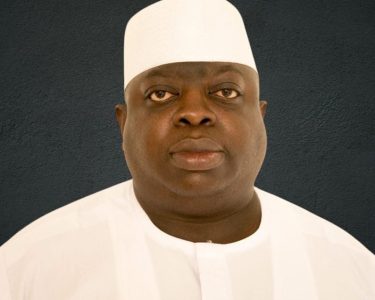
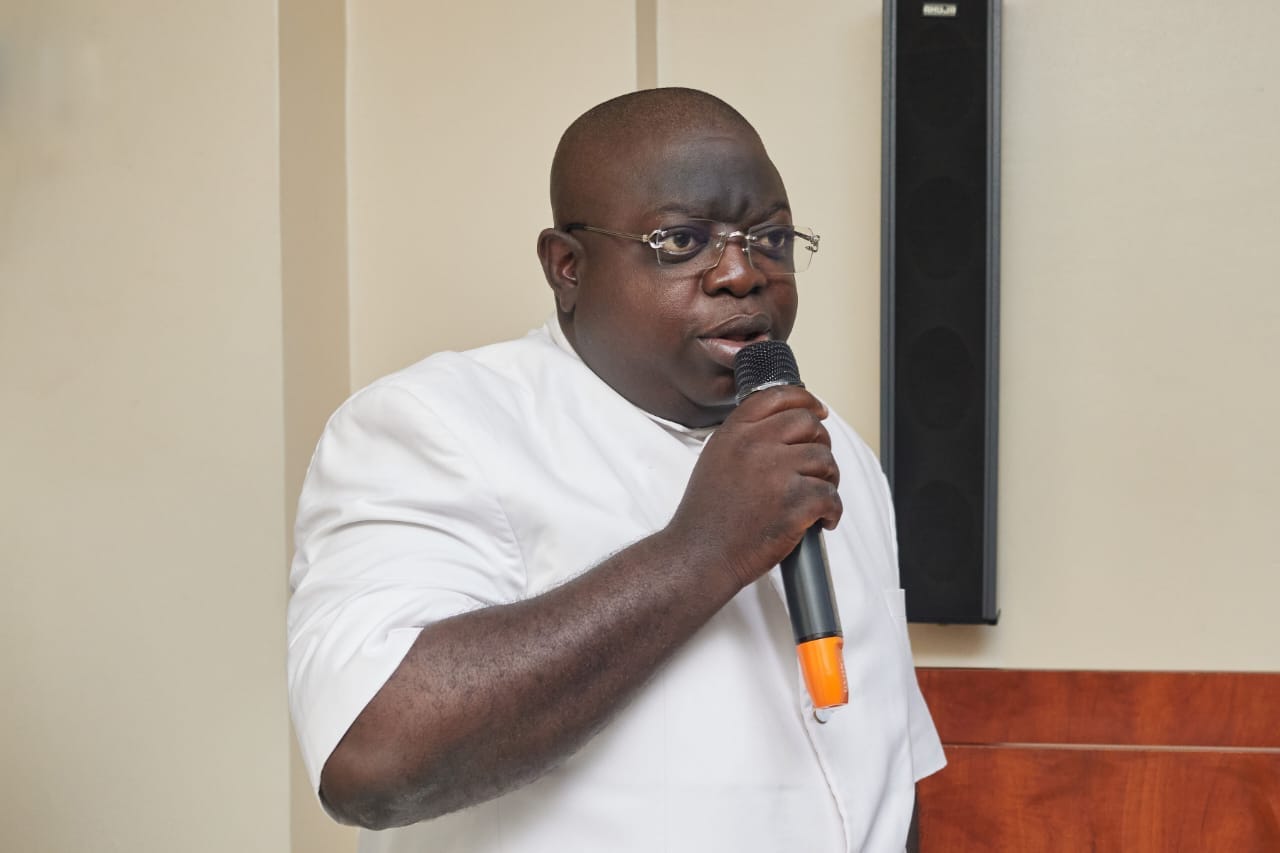
The Senior Special Assistant to the President on Transportation and Mobility, Prince Adetokunbo Ademola Ade-John, led the government’s delegation.
Also present was the Technical Adviser to the Vice President on Transportation, Logistics and Innovation, Prince (Dr.) Segun Obayendo.
Ade-John said the Tinubu administration remains committed to repositioning transportation as an economic growth driver.
He stressed the need for stronger cooperation between government agencies and industry stakeholders.
According to him, coordinated reforms can improve national productivity and mobility.
He also highlighted innovation, road safety and strategic infrastructure investments.
These measures, he said, will support the Renewed Hope Agenda and Nigeria’s economic transformation.
Stakeholders Examine Road Transport Reforms
The meeting featured a presentation on the Lagos Metropolitan Area Transport Authority experience.
LAMATA Managing Director, Engr. Abimbola Akinajo, delivered the presentation.
The session examined lessons from Lagos and their relevance to Nigeria’s wider transport system.
Stakeholders also held a technical session titled “Repositioning Road Transport for a $1 Trillion Economy.”
The session focused on the role of efficient road transport in economic development.
Participants examined how better transport can facilitate trade and improve connectivity.
They also discussed logistics, mobility and infrastructure as key economic growth factors.
Road Safety Takes Centre Stage
The Federal Road Safety Corps presented its National Road Safety Advisory Council Status Report.
The report highlighted the need for stronger institutional cooperation.
It also stressed enhanced safety measures across Nigeria’s road transport system.
Furthermore, participants discussed ways to improve coordination among transport and security institutions.
Such collaboration could support safer roads and more efficient movement across the country.
Key Transport Stakeholders Attend
The meeting attracted major stakeholders from Nigeria’s transport sector.
Participants included the Ogun State Commissioner for Transportation.
He also serves as Chairman of the Nigerian Transport Commissioners Forum.
The National President of the Nigerian Association of Road Transport Owners also attended.
Representatives of the Federal Ministry of Transportation participated in the engagement.
The Joint Revenue Board, NURTW and Nigeria Police Force also had representatives present.
FG Pushes Transport Sector Transformation
The engagement reflects the Federal Government’s efforts to strengthen Nigeria’s road transport sector.
The government aims to promote safer and more efficient transportation.
It also seeks to make the sector more economically productive through reforms and investment.
Stakeholder collaboration remains central to achieving these objectives.
Ultimately, improved road transportation could strengthen trade, logistics and national economic productivity.