



 By
By By Elizabeth Ugbo
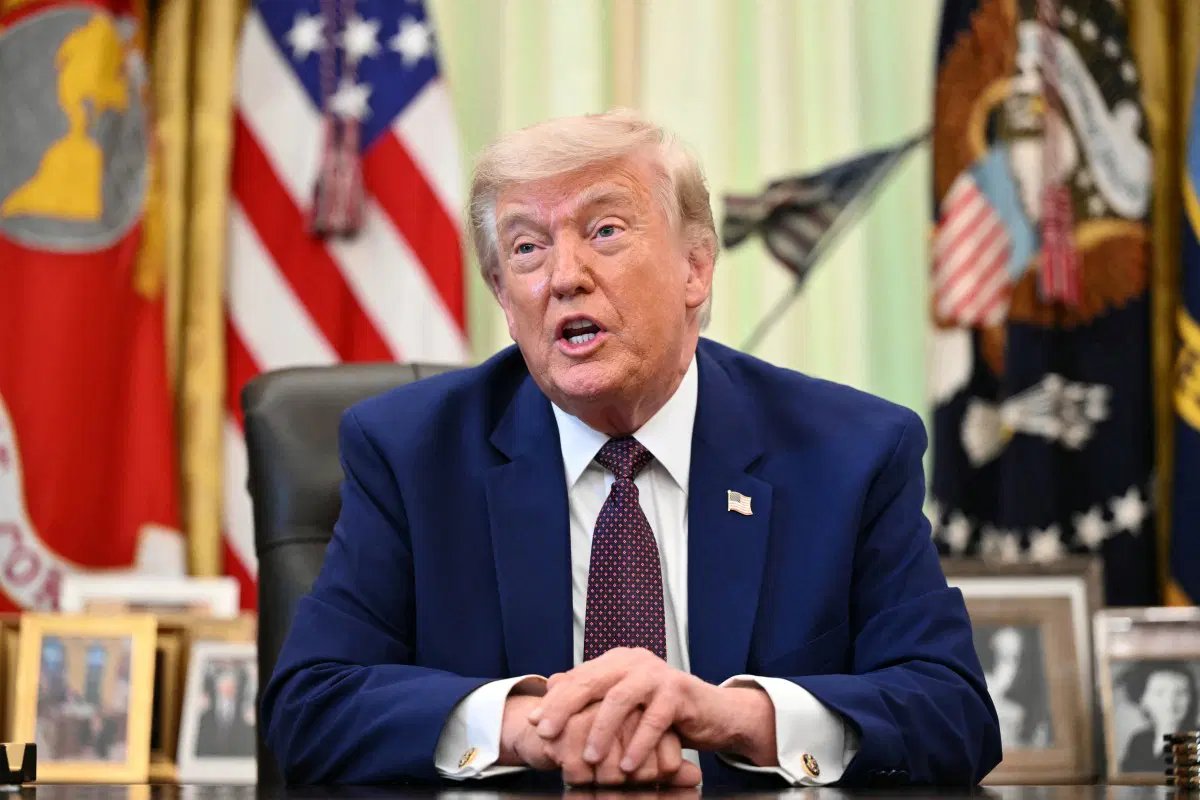
The administration of United States President Donald Trump will closely monitor Nigeria’s 2027 general elections as Washington considers tougher measures on security assistance and religious freedom. US Congressman Riley Moore disclosed this during an interview with NoireTV, posted on Sunday, saying the US House of Representatives is advancing legislation that could reshape relations with Nigeria by imposing stricter oversight, linking aid to government actions, and demanding greater accountability for religious violence.
US to Watch Nigeria’s 2027 Elections
Moore, a Republican representing West Virginia, said the United States would closely assess how Nigeria conducts its next general election.
He stressed that both Congress and the Trump administration would evaluate the credibility and execution of the electoral process.
“We’re certainly going to be watching these results and how these elections unfold and how they’re executed. That’s something that myself and the administration are going to be paying very close attention to,” Moore said.
The congressman also revealed that he would discuss developments in Nigeria with President Donald Trump during a scheduled dinner meeting.
According to him, Nigeria remains an important issue for the administration.
“I continue to work with the administration on next steps that we’re going to take. I’m actually going to see President Trump tonight. I’ll be having dinner with him and some other members. I continue to talk to him about these issues, and it’s very important to him,” he added.
Congress Advances Nigeria Religious Freedom Bill
Moore is a co-sponsor of the Nigeria Religious Freedom and Accountability Act of 2026, introduced alongside Congressman Chris Smith in February.
The proposed legislation seeks to compel the US Secretary of State to submit regular reports to Congress on efforts to address religious persecution and mass atrocities in Nigeria.
It also requires periodic assessments of Nigeria’s compliance with international religious freedom obligations.
Additionally, the bill calls for updates on US security assistance, sanctions, humanitarian support, and measures taken by the Nigerian government to protect vulnerable communities and prosecute perpetrators of attacks.
US Funding Bill Seeks Tougher Conditions for Nigeria
Moore disclosed that the US House is also considering an appropriations bill containing stronger provisions affecting Nigeria.
According to him, the legislation includes significant restrictions on US security assistance and places new obligations on the Nigerian government.
“There’s a lot of language that I put on that bill that relates to Nigeria, the persecution of Christians, restrictions on security assistance, and steps they have to take,” Moore said.
He expressed confidence that the appropriations bill would become law.
“There’s some pretty strong and aggressive language in that bill that’s going to be binding as it relates to our relationship with Nigeria moving forward,” he added.
Half of US Assistance Could Be Withheld
The proposed funding legislation follows earlier action by the US House Appropriations Committee.
In April 2026, the committee approved provisions requiring stricter oversight of US financial assistance to Nigeria.
The bill provides that 50 percent of funds allocated to Nigeria under US foreign assistance programmes will remain unavailable until the US certifies that Nigeria is taking effective steps to curb religious violence.
Furthermore, the legislation requires support for investigations and prosecutions of violence allegedly committed by Fulani militia groups.
It also directs the Nigerian government to facilitate the safe return of internally displaced persons before full assistance resumes.
What the Proposed Measures Mean
If Congress passes both bills, Nigeria could face increased scrutiny over election credibility, religious freedom, security cooperation, and humanitarian obligations.
The measures would also strengthen congressional oversight of US engagement with Nigeria while making future assistance more dependent on measurable progress.